
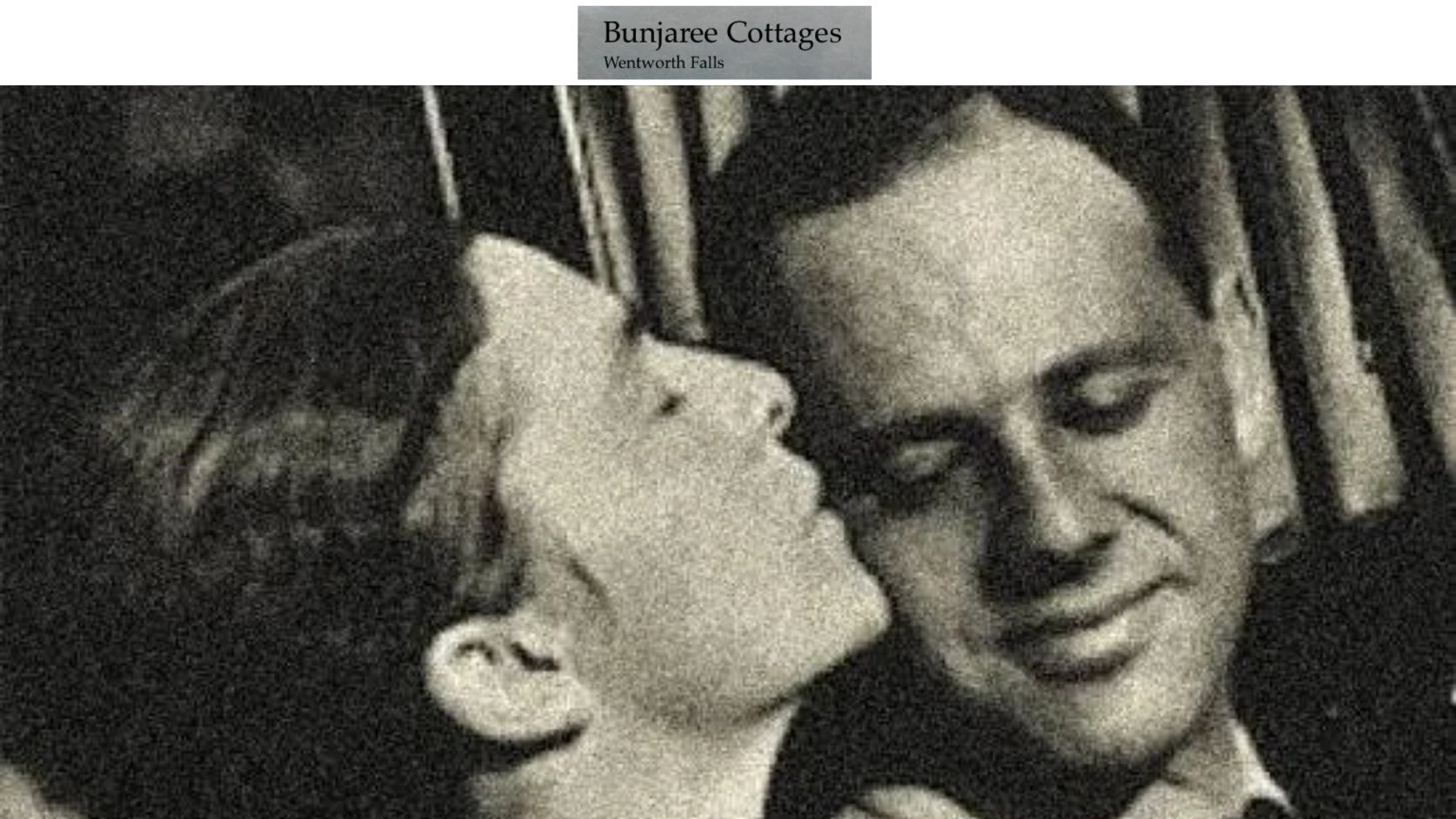
Georgia O’Keeffe’s marriage to photographer Alfred Stieglitz remains one of the most discussed relationships in American art history. Their personal letters, photographs and paintings continue to attract attention through museum exhibitions and archival research. Although their marriage faced emotional difficulties and long periods of separation, their artistic partnership helped transform how modern American art was presented and understood.
Georgia O’Keeffe’s only husband was Alfred Stieglitz, an influential American photographer, gallery owner and modern art promoter. They married in 1924 and remained legally married until his death in July 1946. Their relationship lasted nearly three decades, beginning with a shared interest in art and developing into a complicated marriage marked by creativity, ambition and independence.
Who Was Georgia O’Keeffe’s Husband Alfred Stieglitz?
Alfred Stieglitz was born on January 1, 1864, in Hoboken, New Jersey. He became one of the leading figures in establishing photography as a recognised form of fine art in the United States.
He studied photography in Europe before returning to New York, where he began promoting photographers and experimental artists.
Stieglitz founded the Photo-Secession movement in 1902 and launched the influential photography journal Camera Work in 1903.
In 1905, he opened the Little Galleries of the Photo-Secession, later known as Gallery 291, on Fifth Avenue in Manhattan.
The gallery introduced American audiences to important European modernists, including Pablo Picasso, Henri Matisse and Paul Cézanne.
His influence extended beyond photography because he helped establish a serious audience for modern painting and sculpture.
Through his galleries, publications and exhibitions, Stieglitz became an important figure in the development of American modernism.
How Did Georgia O’Keeffe and Alfred Stieglitz Meet?
Georgia O’Keeffe and Alfred Stieglitz first became connected through her artwork in 1916.
At the time, O’Keeffe was teaching art and experimenting with abstract charcoal drawings that differed considerably from traditional academic painting.
Her friend Anita Pollitzer brought several of these drawings to Stieglitz at Gallery 291 in New York.
He was immediately impressed by their originality and emotional intensity.
Without first obtaining O’Keeffe’s permission, he included some of her drawings in an exhibition.
O’Keeffe initially objected to the decision, but the encounter established a professional connection between them.
They began corresponding regularly, discussing painting, photography, artistic expression and personal experiences.
Their letters gradually became more intimate.
In 1918, O’Keeffe moved to New York, where their relationship developed into a romance.
Stieglitz was still married to his first wife, Emmeline Obermeyer, when their relationship began.
When Did Georgia O’Keeffe and Alfred Stieglitz Get Married?
Georgia O’Keeffe and Alfred Stieglitz married on December 11, 1924.
Their wedding followed Stieglitz’s divorce from Emmeline, with whom he had a daughter named Katherine.
The ceremony was small and private, reflecting the couple’s preference for avoiding elaborate social traditions.
They did not organise a traditional wedding reception or honeymoon.
O’Keeffe was 37 years old, while Stieglitz was 60, creating an age difference of approximately 23 years.
Despite their different backgrounds and stages of life, both shared a commitment to artistic experimentation.
After marrying, they divided their time between New York City and the Stieglitz family property at Lake George.
O’Keeffe continued painting while Stieglitz organised exhibitions and promoted her work.
Their marriage brought together two influential figures whose creative achievements would become central to American art history.
Alfred Stieglitz Photographed Georgia O’Keeffe Hundreds of Times
One of the most significant aspects of their relationship was Stieglitz’s extensive photographic documentation of O’Keeffe.
Between 1917 and 1937, he created more than 300 photographs of her.
The collection included portraits of her face, hands, body and everyday expressions.
Some photographs were intimate studies that challenged conventional expectations surrounding portrait photography.
Stieglitz presented a selection of these images in a major exhibition in 1921.
The photographs attracted considerable public attention and contributed to O’Keeffe’s growing recognition.
However, they also influenced how critics interpreted her paintings, sometimes encouraging overly sexual readings of her abstract compositions.
O’Keeffe later resisted the idea that her artwork should be understood primarily through her relationship with Stieglitz.
Although he played an important role in promoting her career, she developed a distinctive artistic identity that extended far beyond his influence.
Why Did Georgia O’Keeffe and Alfred Stieglitz Live Apart?
Their marriage became increasingly complicated during the late 1920s.
Stieglitz developed a close romantic relationship with writer and photographer Dorothy Norman, creating considerable emotional strain.
O’Keeffe also experienced frustration with the demands of his family and the expectations surrounding their life in New York.
She wanted greater freedom to work independently and explore new landscapes.
In 1929, she made her first extended painting trip to New Mexico.
The desert scenery, mountains, animal bones and distinctive architecture immediately captured her imagination.
She began returning regularly, spending long periods away from Stieglitz.
While he remained in New York managing galleries and promoting artists, O’Keeffe increasingly concentrated on painting in the American Southwest.
Their physical separation did not end their marriage.
They continued exchanging letters, discussing personal matters and maintaining an artistic connection.
Over the course of their relationship, they wrote thousands of letters, leaving an unusually detailed record of their changing feelings and experiences.
Did Georgia O’Keeffe and Alfred Stieglitz Have Children?
Georgia O’Keeffe and Alfred Stieglitz did not have children together.
Stieglitz already had a daughter, Katherine, from his first marriage to Emmeline Obermeyer.
O’Keeffe never became a biological mother.
Their differing views about parenthood were among the tensions discussed in accounts of their marriage.
O’Keeffe was deeply committed to developing her artistic career, while Stieglitz had complicated feelings about expanding his family.
The absence of children allowed O’Keeffe to dedicate substantial time to painting, travelling and developing her professional independence.
Her work eventually became closely associated with enlarged flowers, New York skyscrapers and the landscapes of northern New Mexico.
What Happened After Alfred Stieglitz’s Death?
Alfred Stieglitz died on July 13, 1946, in New York City at the age of 82.
His passing ended a marriage that had lasted more than 21 years.
Following his death, O’Keeffe took responsibility for organising and preserving important parts of his artistic legacy.
She helped manage his photographic collection and supported the placement of his work in major museums.
O’Keeffe eventually made New Mexico her permanent home in 1949.
She continued painting for decades, becoming one of the most celebrated American artists of the twentieth century.
Her later years were spent primarily in northern New Mexico, where she remained connected to the landscapes that inspired her work.
Georgia O’Keeffe died on March 6, 1986, at the age of 98.
She never remarried after Stieglitz’s death.
Today, their photographs, paintings and extensive correspondence remain valuable historical records of a relationship that combined artistic collaboration with personal conflict.
Although Alfred Stieglitz was Georgia O’Keeffe’s only husband, her achievements established her as an independent artist whose influence continues well beyond their marriage.