
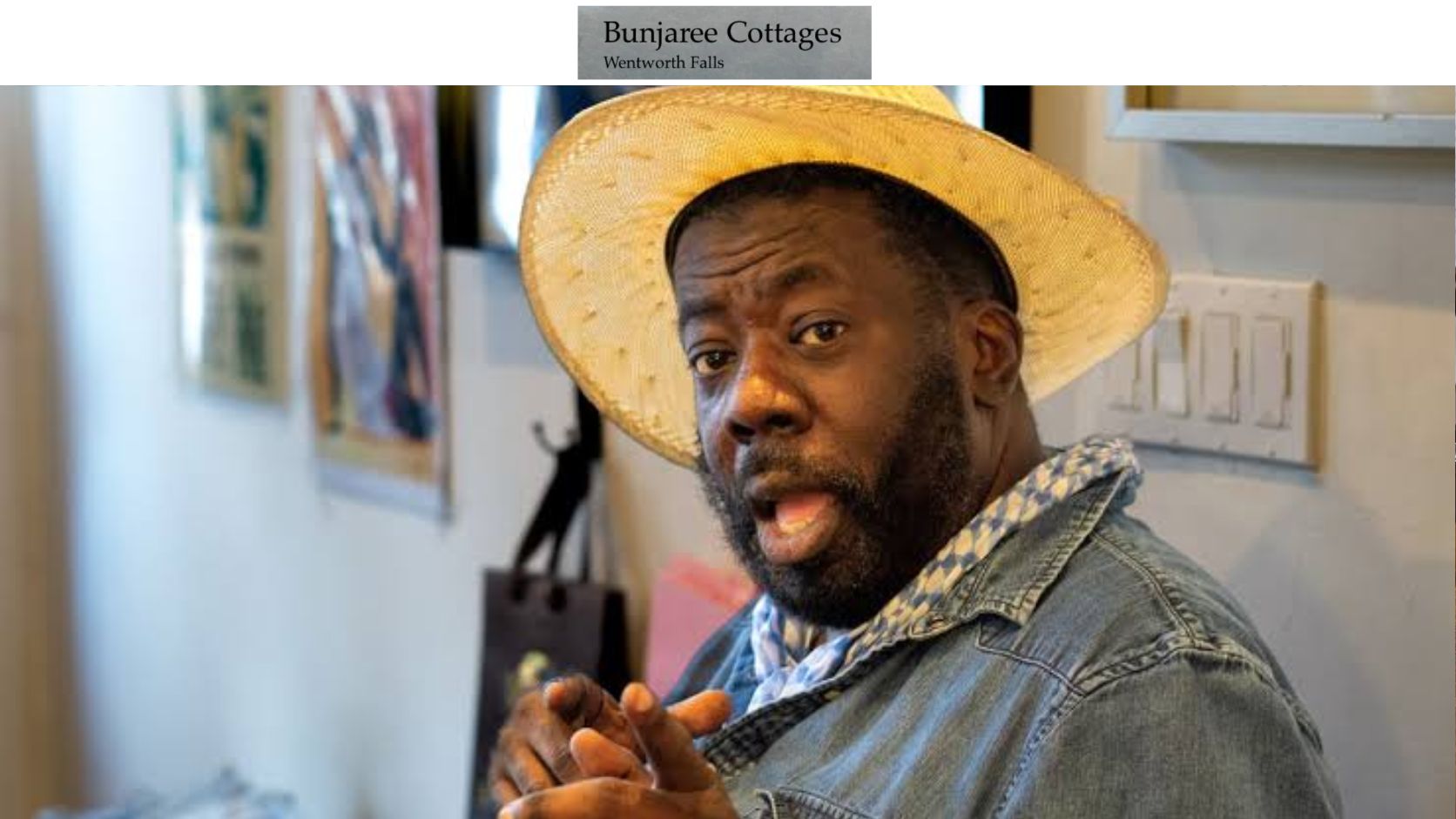
Patrick Petty, the influential Boston fashion entrepreneur and longtime stylist for New Kids on the Block, died on November 16, 2026, at the age of 62. His passing following medical complications has prompted emotional tributes from musicians, celebrities, family members, and people throughout Boston’s fashion community. Donnie Wahlberg, who shared a friendship with Petty spanning nearly four decades, remembered him as a brother and an important part of his family.
Best known for founding the popular clothing boutique House of Culture, Petty helped shape Boston’s fashion identity while working with internationally recognized entertainers. His career combined celebrity styling, independent retail, and community involvement, establishing him as one of the city’s respected creative figures.
Who Was Patrick Petty in Boston?
Patrick Petty was an American fashion designer, stylist, retailer, and entrepreneur who spent much of his professional life building Boston’s independent fashion scene. His interest in clothing began at an early age when he experimented with tailoring and developed an appreciation for individual style.
He later studied Fashion Design and Merchandising in London, gaining knowledge of the clothing industry and international fashion trends. That experience helped prepare him for a career that eventually connected Boston’s local retail businesses with major figures in entertainment.
After returning to Boston, Petty worked as a merchandise buyer for Allston Beat, a clothing store known for its connection to urban fashion and music culture. The position introduced him to creative professionals and emerging entertainers, including people associated with New Kids on the Block.
Those early relationships became an important part of his professional journey.
How Did Patrick Petty Build House of Culture?
Petty established his first independent boutique, Culture Shock, on Boston’s Newbury Street in 1991. At the time, the shopping district was known for established retailers and upscale fashion businesses. His arrival as one of the relatively few Black entrepreneurs operating there represented an important achievement.
Culture Shock offered clothing that reflected streetwear, contemporary fashion, and the changing tastes of younger shoppers. Petty wanted customers to discover distinctive pieces rather than simply follow established trends.
In 1998, he renamed the business House of Culture, creating a brand that would become closely associated with Boston’s creative community.
The boutique later expanded its presence to Columbus Avenue and the Seaport District. Through these locations, Petty introduced shoppers to different designers while maintaining the personal service that helped establish his reputation.
House of Culture was more than a traditional clothing store. It became a gathering place where musicians, artists, entrepreneurs, and neighborhood residents could exchange ideas and build relationships.
Which Celebrities Did Patrick Petty Style?
Patrick Petty gained national recognition through his work with New Kids on the Block, the Boston-based pop group that achieved international success during the late 1980s and early 1990s.
He helped develop clothing choices that complemented the group’s performances and public appearances. His understanding of street fashion allowed him to create looks that felt connected to the musicians’ personalities and cultural background.
Beyond New Kids on the Block, Petty’s professional connections included Boyz II Men, Xscape, Jay-Z, and basketball stars Dominique Wilkins and Ray Allen.
He was also associated with the early fashion career of Mark Wahlberg, including helping arrange opportunities connected to Wahlberg’s famous Calvin Klein underwear campaign.
Despite working with major entertainers, Petty continued operating his Boston retail business. His ability to balance celebrity styling with neighborhood entrepreneurship made his career particularly distinctive.
How Did Donnie Wahlberg Remember Patrick Petty?
Following Petty’s passing, Donnie Wahlberg shared a deeply personal tribute reflecting on their nearly 40-year friendship.
Wahlberg recalled traveling together, celebrating sporting victories, supporting each other through difficult experiences, and watching their families grow. Their relationship extended well beyond the professional connection between an entertainer and his stylist.
The singer described Petty as a true friend and revealed that his mother affectionately called him “The 10th Wahlberg.”
Wahlberg also praised Petty’s influence on Boston fashion and popular culture, emphasizing that his accomplishments deserved recognition beyond the celebrities he dressed.
Jenny McCarthy, Wahlberg’s wife, joined the tributes, remembering Petty for his kindness, patience, creative ability, and gentle personality.
Their messages reflected how closely Petty had become connected to the Wahlberg family over several decades.
What Is Known About Patrick Petty’s Family and Final Days?
Petty’s death was confirmed by his daughter, Zoë Petty, and longtime friend Sherman Evans. His family described him as someone who remained determined throughout his final medical difficulties.
His wife, Maritza, and daughter were important parts of his personal life. Zoë grew up around House of Culture and eventually became involved in the family business.
Family members recalled how Petty treated customers as friends, listened to their personal concerns, and regularly helped people who needed support.
Although medical complications were reported in connection with his passing, the family has not publicly established a specific diagnosis as the cause.
What Legacy Did Patrick Petty Leave in Boston?
Patrick Petty’s contribution to Boston extended beyond clothing and celebrity fashion. Through House of Culture, he supported young creatives, encouraged local entrepreneurship, organized community gatherings, and helped people who could not always afford fashionable clothing.
His boutique provided opportunities for personal connections that were often as meaningful as the clothing being sold.
For Boston residents, Petty represented a generation of independent business owners who helped make the city’s fashion culture more diverse and expressive.
His passing marks the loss of an influential entrepreneur whose work connected music, fashion, and community life. While his celebrity collaborations brought him recognition, his lasting legacy rests equally in the relationships he built and the opportunities he created for others.