
Singapore’s Court of Appeal dismissed motoring businessman Peter Kwee’s attempt to reclaim five properties registered in his daughter’s name in a judgment released on November 18, 2026. Peter Kwee’s daughter is Kwee Hui Ling Karen, also known as Karen Kwee. The civil dispute concerned the properties and money in bank accounts connected to their rental income. Karen’s private trustee in bankruptcy opposed her father’s claims.
The appeal judges agreed with Peter Kwee that the properties had been held under a trust for him. They concluded that the trust was unenforceable because he had set it up to conceal assets from his creditors. That left the dismissal of his claims in place, although the appeal court took a different route to that result from the trial judge.
Who is Peter Kwee’s daughter Karen Kwee?
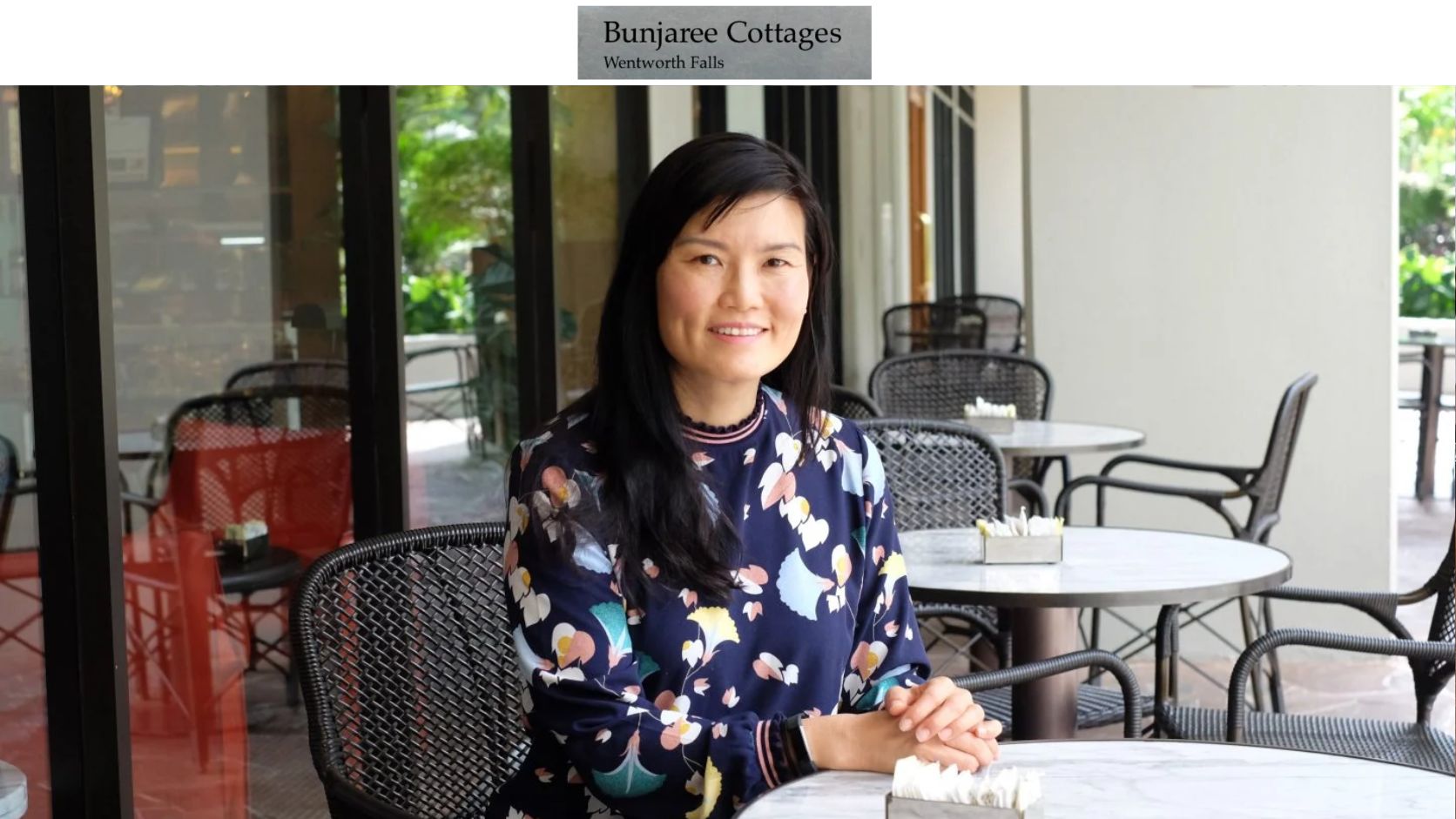
Karen Kwee is identified in the court record as the daughter of Kwee Seng Chio Peter, a Singapore businessman known for his motor industry interests. She came into public attention because the properties were registered in her name and became the subject of claims after her bankruptcy.
The appeal was between Peter Kwee and Lai Seng Kwoon, Karen’s private trustee in bankruptcy. In that role, Lai opposed Peter’s efforts to recover the assets. The distinction explains why reports describe a dispute over property held in his daughter’s name even though the respondent named in the appeal was her trustee.
What did Peter Kwee claim about the properties?
Peter argued that he had retained the beneficial interest in the properties. In plain terms, he said his daughter’s name appeared on the property records, but the parties had understood that he would still have the underlying interest in them. He relied on that arrangement to claim the properties and money in related accounts.
The distinction also mattered for the rent. The Court of Appeal’s judgment said rental proceeds from the properties made up the bulk of the money in the disputed accounts. Peter’s case treated the right to those proceeds as tied to his claim over the properties themselves. Lai argued that the properties and the associated funds could be reached as part of Karen’s bankruptcy.
What had the trial judge decided in 2025?
The trial judge found that Peter had given the properties to Karen, making her their beneficial owner. On that view, the subsequent rental proceeds belonged to her. The judge dismissed Peter’s claims, setting up the 2026 appeal.
The gift finding was important because it offered one explanation for why Karen’s name was on the titles. If Peter had given the assets away, the interests he later asserted would already have passed to her. Peter disputed that interpretation and asked the appellate judges to recognize a trust in his favor. The judges took another look at the evidence and reached a different conclusion about the arrangement.
Why did Peter Kwee lose the appeal?
The Court of Appeal concluded that the properties were held under a trust for Peter. It then considered whether the courts could enforce that trust. The judges found that it had been set up to conceal assets from Peter’s creditors. They held that a trust created for that purpose was illegal and contrary to public policy, so Peter could not rely on it to recover the properties or the money.
The result is easier to follow when the two questions are taken in order. The judges first asked what the arrangement between the family members was. They then asked whether that arrangement could support the remedy Peter wanted. His appeal succeeded on the first point about how the properties had been held, but failed on the issue that determined whether he could get them back.
Lai also argued that the arrangement had been used to conceal ownership from the tax authorities and avoid estate duty. The judges said they did not need to decide that issue. Their finding about the purpose of hiding assets from creditors was enough to resolve the appeal. The judgment’s conclusion about the trust rests on that finding.
What did the judgment establish about Karen Kwee?
Karen’s name remains central to understanding why the dispute arose. She was the registered owner in the arrangement the court examined, and her bankruptcy brought the question of what she owned into direct conflict with her father’s claims. The appeal was concerned with the rights Peter was asking the court to recognize and whether the trust he relied on could be enforced.
The decision, Kwee Seng Chio Peter v Lai Seng Kwoon [2026] SGCA 45, left the earlier dismissal in place. It also changed the explanation for that outcome. Readers following the case from the 2025 ruling to the November 2026 judgment will see two courts reach the same result by answering the property question differently. The trial judge treated the properties as gifts to Karen. The appeal court found a trust for Peter and denied him relief because of the purpose for which the trust had been created.