
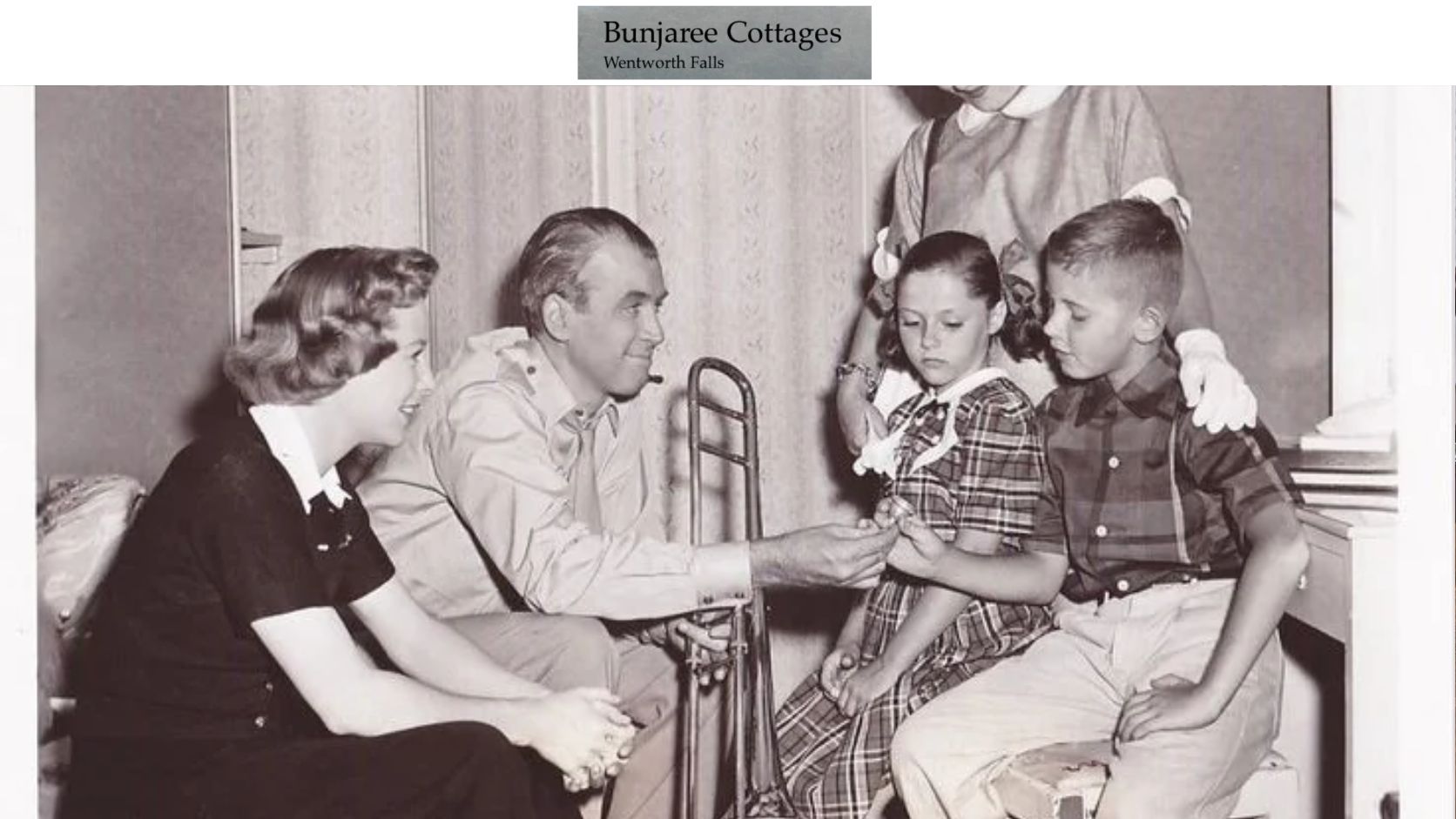
Glenn Miller remains one of the most celebrated figures in American big band music, with recordings such as In the Mood, Moonlight Serenade and Chattanooga Choo Choo continuing to introduce his music to new generations. Beyond his extraordinary career, interest in his family has endured, particularly the lives of his two adopted children, Steven Miller and Jonnie Miller. Their story became an important part of his legacy following his disappearance during World War II.
The American trombonist and orchestra leader was married to Helen Burger Miller, and together they adopted two children in the early 1940s. Their son, Steven, was born in 1943, while their daughter, Jonnie, was born in 1944. Miller disappeared while travelling from England to France in December 1944, leaving Helen to raise their young family.
How Many Children Did Glenn Miller Have?
Glenn Miller had two adopted children with his wife, Helen Burger Miller.
Their son, Steven Davis Miller, was born on February 10, 1943, and adopted that year. Their daughter, Jonnie Dee Miller, was born on September 15, 1944, and adopted later in 1944.
The couple did not have biological children together.
Their decision to adopt came during a period when Miller’s career was undergoing a major transformation.
After becoming one of America’s most successful bandleaders, he joined the United States Army Air Forces during World War II.
His military responsibilities frequently kept him away from home, making the early years of parenthood especially challenging for the family.
Nevertheless, Steven and Jonnie became central figures in the Miller family’s story.
Both children would later become involved in legal matters concerning their father’s name and commercial legacy.
Who Was Glenn Miller’s Son Steven Miller?
Steven Davis Miller was the eldest child of Glenn and Helen Miller.
Born on February 10, 1943, Steven entered the family while his father was serving in the military.
At the time, Glenn Miller had already achieved enormous success with his civilian orchestra and was directing his musical abilities toward entertaining American service members.
Steven was still a toddler when his father disappeared in December 1944.
Consequently, he grew up knowing Glenn Miller primarily through family memories, recordings and the extraordinary reputation his father left behind.
His mother, Helen, became responsible for raising him and his younger sister.
As an adult, Steven became involved in efforts to address the commercial use of Glenn Miller’s name and image.
Those efforts eventually resulted in legal disputes concerning rights associated with the famous bandleader.
Steven died on May 25, 2012, at the age of 69.
Who Is Glenn Miller’s Daughter Jonnie Miller?
Jonnie Dee Miller was Glenn and Helen Miller’s youngest child.
She was born on September 15, 1944, during the final months of her father’s life.
Jonnie’s adoption occurred around the time of Glenn Miller’s disappearance in December 1944.
Historical accounts indicate that Miller never had the opportunity to meet his daughter in person.
A contemporary account published in 1951 also noted that Glenn had chosen her name.
Jonnie later appeared in public records under married surnames, including Jonnie Soper Miller.
Like her brother Steven, she became involved in matters relating to their father’s legacy.
Her role in preserving his memory extended beyond legal proceedings.
In 1992, a memorial marker honouring Glenn Miller was placed at Arlington National Cemetery at his daughter’s request.
The memorial provided a formal place of remembrance for a musician whose aircraft and remains were never recovered.
Who Was Glenn Miller’s Wife Helen Burger?
Glenn Miller married Helen Dorothy Burger on October 6, 1928.
Their relationship began long before he became internationally famous as a bandleader.
The couple shared the difficult early years of his music career, when he worked as a trombonist and arranger while attempting to establish himself professionally.
Helen remained an important part of his personal life as his orchestra gained popularity during the late 1930s and early 1940s.
Their marriage continued as Miller entered military service in 1942.
Following his disappearance, Helen was left to raise Steven and Jonnie without their father.
She also became involved in managing aspects of the Glenn Miller business legacy.
Helen received recognition on her husband’s behalf when she accepted his Bronze Star Medal in February 1945.
She died on June 2, 1966, more than two decades after her husband’s disappearance.
Her passing later became significant in legal questions surrounding the family’s interests in Glenn Miller Productions.
What Happened to Glenn Miller During World War II?
Glenn Miller disappeared on December 15, 1944, while travelling aboard a military aircraft from England to France.
He was 40 years old.
At the time, Miller was serving in the United States Army Air Forces and leading a military orchestra that performed for Allied personnel.
His aircraft was expected to arrive in France ahead of planned musical activities.
However, the plane never reached its destination.
The aircraft disappeared over the English Channel, and no confirmed wreckage was recovered.
Although several theories have emerged about the circumstances, the precise cause of the disappearance has never been conclusively established.
Miller was officially presumed dead, leaving behind his wife and two young children.
His disappearance became one of the most enduring mysteries associated with American music during World War II.
Glenn Miller’s Children and the Legal Battle Over His Legacy
Steven and Jonnie Miller became involved in legal disputes concerning their father’s name, image and associated business interests.
Following Helen Miller’s passing in 1966, questions arose over the ownership and management of assets connected to Glenn Miller Productions.
During the late 1970s, the siblings pursued legal action involving David Mackay Sr., who had been associated with the administration of family and business interests.
Their disputes concerned financial and ownership questions connected to the company.
A settlement was reached in 1980 involving some of the earlier litigation.
The siblings later participated in another legal case against Glenn Miller Productions concerning the licensing of their father’s name and publicity rights.
In 2006, the United States Court of Appeals for the Ninth Circuit addressed the dispute.
The court upheld the dismissal of their claims because they had waited too long to bring the legal action, while also discussing restrictions on sublicensing rights without authorisation.
The proceedings demonstrated the complicated legal issues that can arise when a famous entertainer’s commercial identity remains valuable decades after his passing.
How Glenn Miller’s Family Preserved His Memory
Glenn Miller’s musical achievements have continued influencing jazz, swing and popular music long after his disappearance.
His recordings remain closely associated with the big band era, particularly the years immediately preceding and during World War II.
The Glenn Miller Orchestra name has continued to be used by performing ensembles dedicated to preserving the distinctive sound of his arrangements.
For Steven and Jonnie, their father’s legacy involved more than music history.
They were also connected to questions about how his name, image and reputation should be represented commercially.
Jonnie’s involvement in establishing his Arlington National Cemetery memorial reflected a more personal dimension of that legacy.
Although Glenn Miller had only a brief opportunity to experience fatherhood, his two adopted children remained connected to his remarkable story.
Steven Miller and Jonnie Miller are the two children of Glenn and Helen Miller. Their family history reflects both the personal consequences of wartime separation and the lasting influence of one of America’s most recognisable musicians.